
The leading cosmetic dentist in Telford other dentists choose
Dr Cameron Bagry is a leading cosmetic and restorative dentist in Dawley, Telford. He was asked to be a clinical tutor on one of the UK’s most respected composite bonding courses, and the dentists and nurses he works alongside are his own patients.
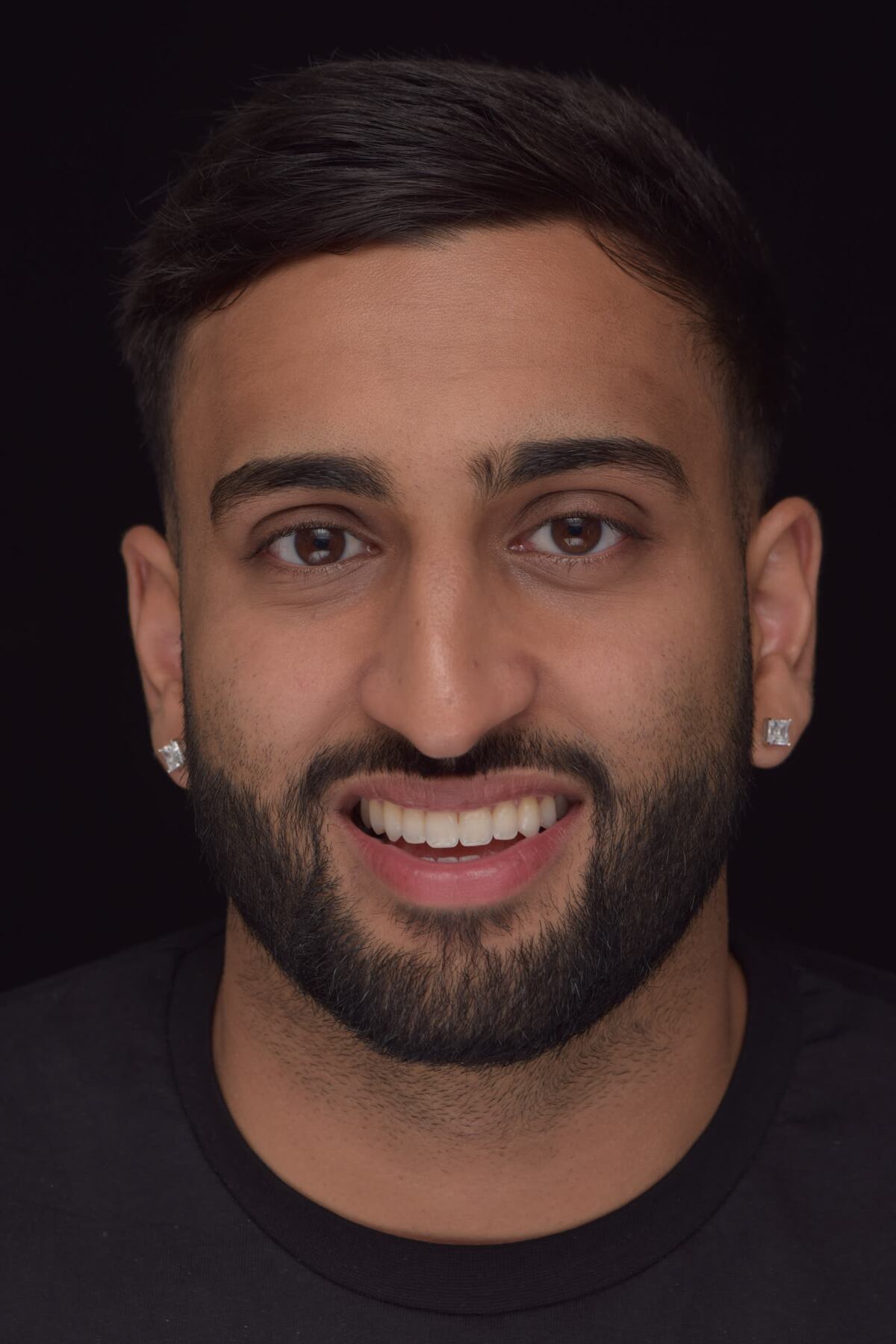
I got into dentistry for confidence, not for perfect teeth
Some people arrive genuinely excited about changing their smile. Plenty of others have been putting the same conversation off for years, and half expect to be told off when they finally have it. Neither of those people gets a lecture. I talk to patients the way I would talk to a friend: what is actually going on, what your options are, what each one really involves, and what I would do if I were sitting where you are.
That is the part I care about. Not the photographs, not the case that wins something. You understanding your own teeth well enough to make the decision yourself, and leaving with a smile you are not thinking about any more. Confidence is the point. The dentistry is just how we get there.
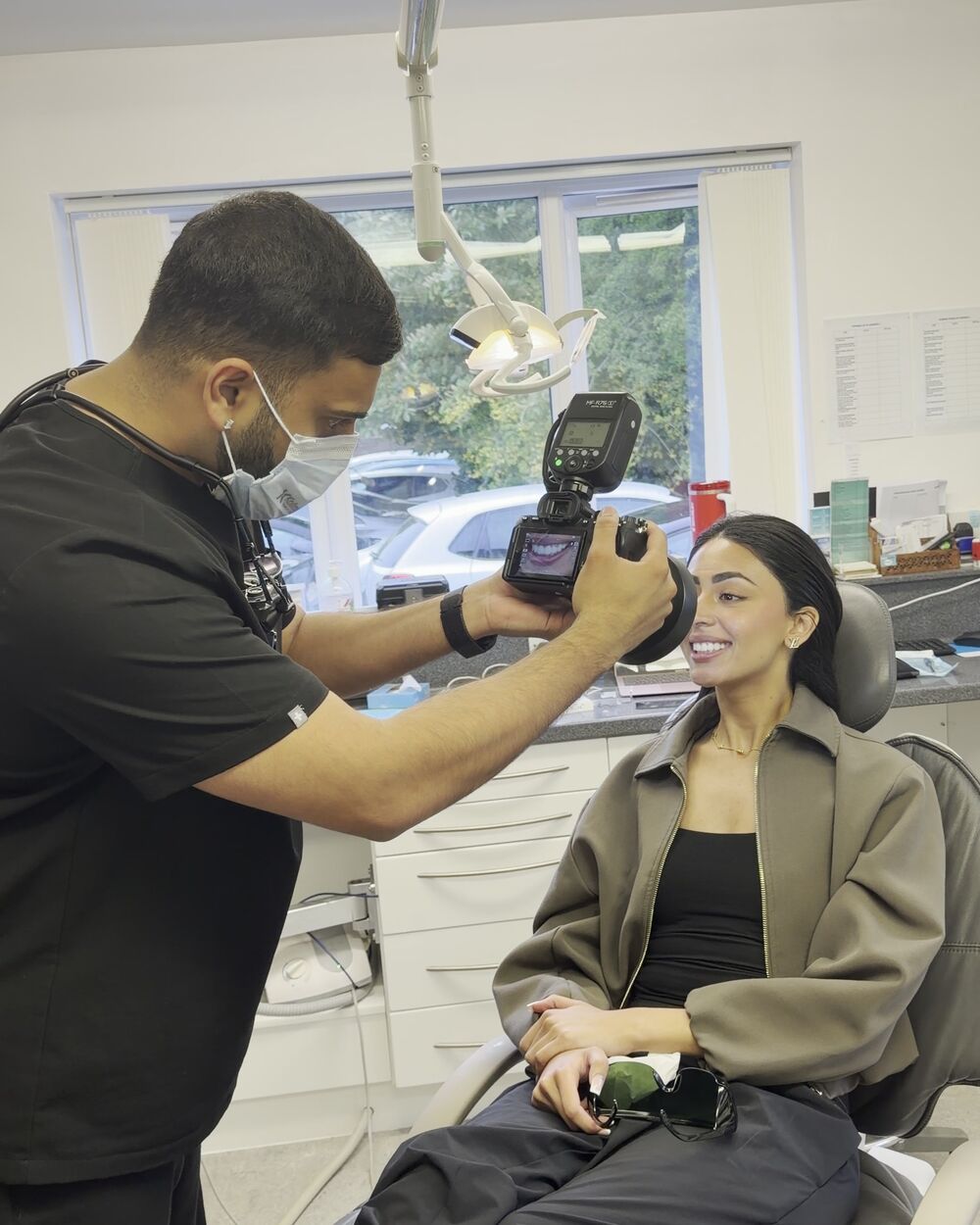
Trained past the degree, twice over
A dental degree qualifies you to practise. It does not, on its own, qualify you to plan a smile. Cameron went back for two further qualifications after his, and both of them shape how your treatment gets planned.
Postgraduate diploma in cosmetic and restorative dentistry
The restorative half matters as much as the cosmetic half. It means the bite, the wear and the long-term health of the teeth get planned alongside how they look, rather than after.
Diploma in minimally invasive dentistry
The formal version of a simple idea: enamel does not grow back, so the teeth you keep matter more than the ones anything gets added to.
Certified Invisalign provider
He plans every alignment case himself, including the ones where he tells you a specialist orthodontist is the better answer.
Asked to teach the composite bonding technique to other dentists
Totally Composite is one of the most respected composite bonding courses in the country, and Cameron was asked by esteemed cosmetic dentist, Monik Vasant personally to be a clinical tutor on it. Dentists travel to learn the technique he uses on you, which is an unusual thing to be able to say and the single most useful thing to know about him.
It works in both directions. Teaching a technique forces you to be able to justify every step of it, and it keeps him in the room with the people setting the standard rather than reading about them afterwards. It is also the reason other dentists send him their own cases, and occasionally come to him as patients themselves. There is more on that on the page for referring dentists.
Shortlisted three times, and judged by the profession
Cameron has been shortlisted at the Probe Awards, for Young Dentist of the Year, and at the Private Dentistry Awards. These are judged by other dentists rather than bought with advertising, which is the only reason they are worth mentioning.
 Probe Awards
 Young Dentist of the Year
 Private Dentistry Awards

If you have been putting your new smile off
A good proportion of the people Cameron treats have not seen a dentist in years, and are more worried about the conversation than the treatment. Nobody here is going to tell you off for that. It is far more common than you think, and the state of your teeth is not a moral failing.
Appointments are longer than you are probably used to, which is deliberate. Nothing gets rushed, no question is too small, and you can stop at any point. If previous dental appointments have been difficult, tell treatment coordinator Ellie when she rings and she will make sure Cameron knows before you arrive.
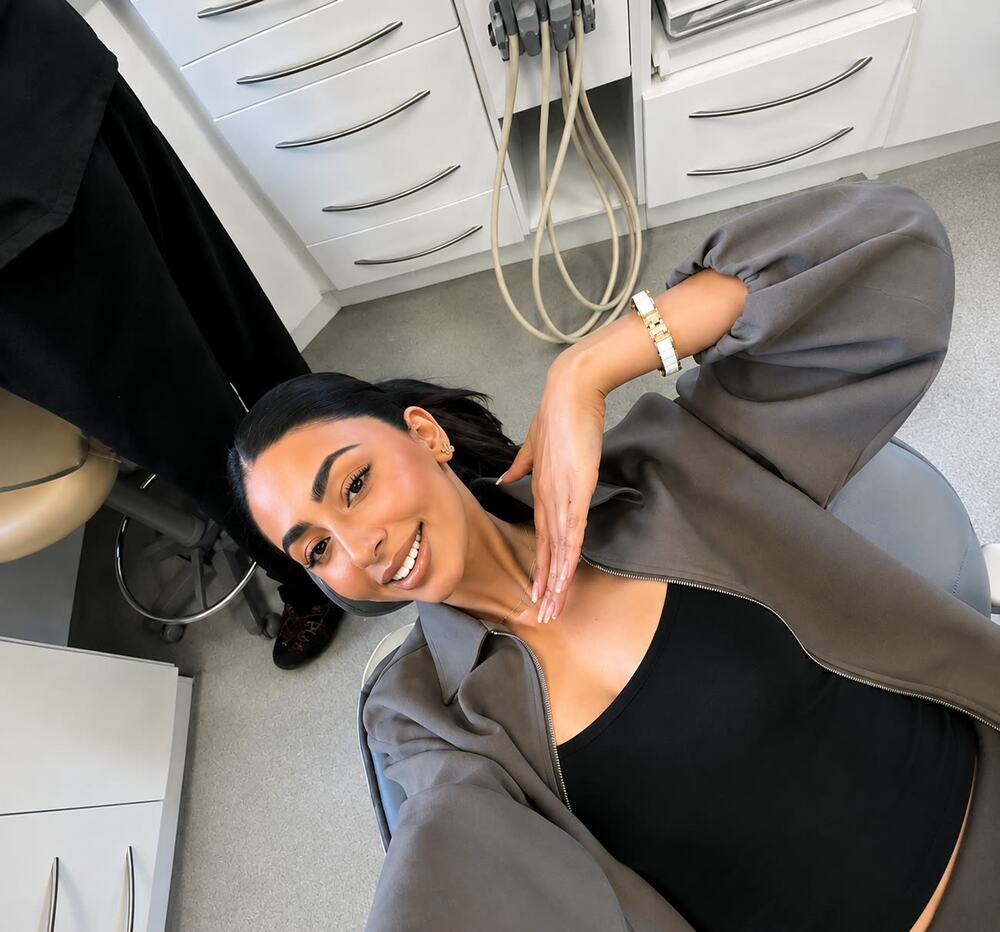
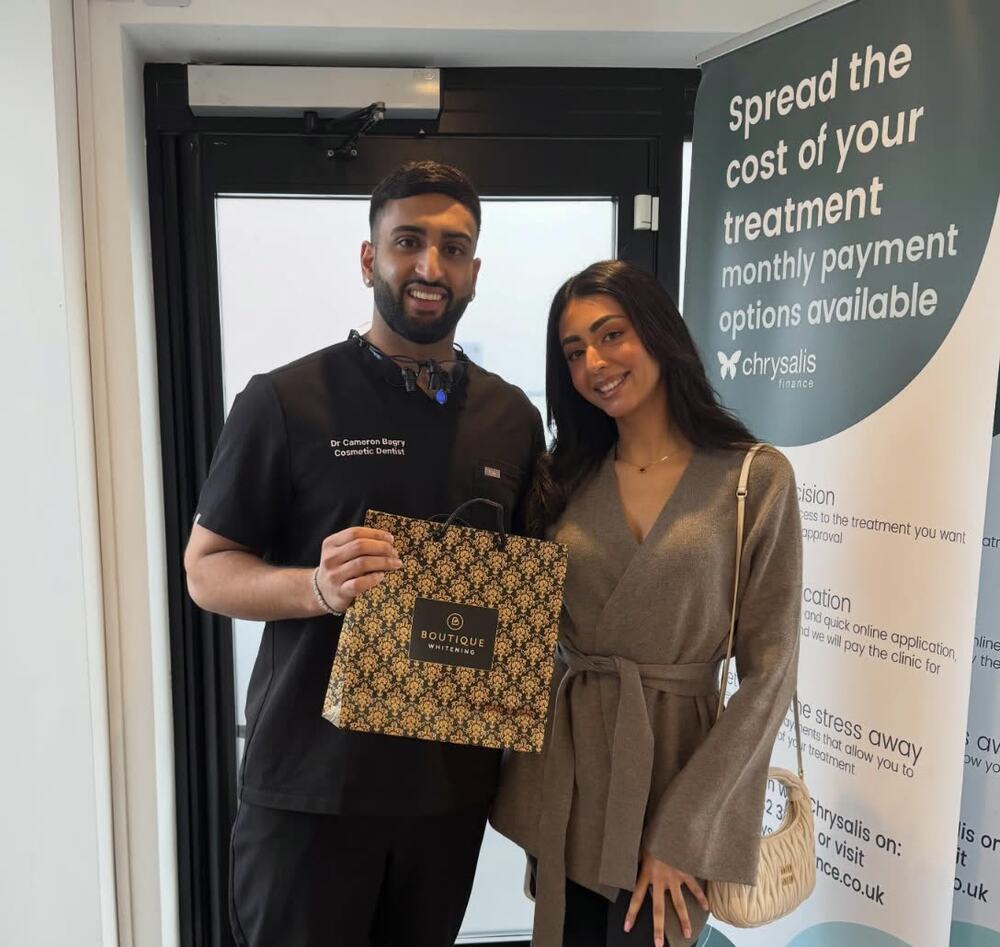
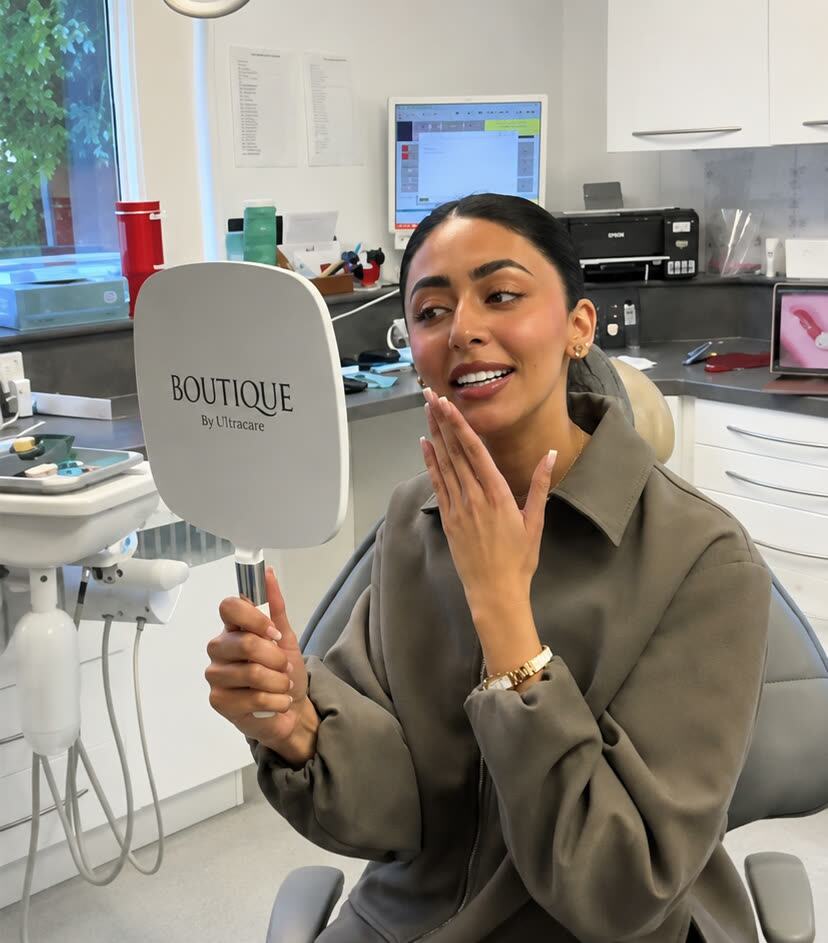

Telford’s dentists and nurses who choose Cameron
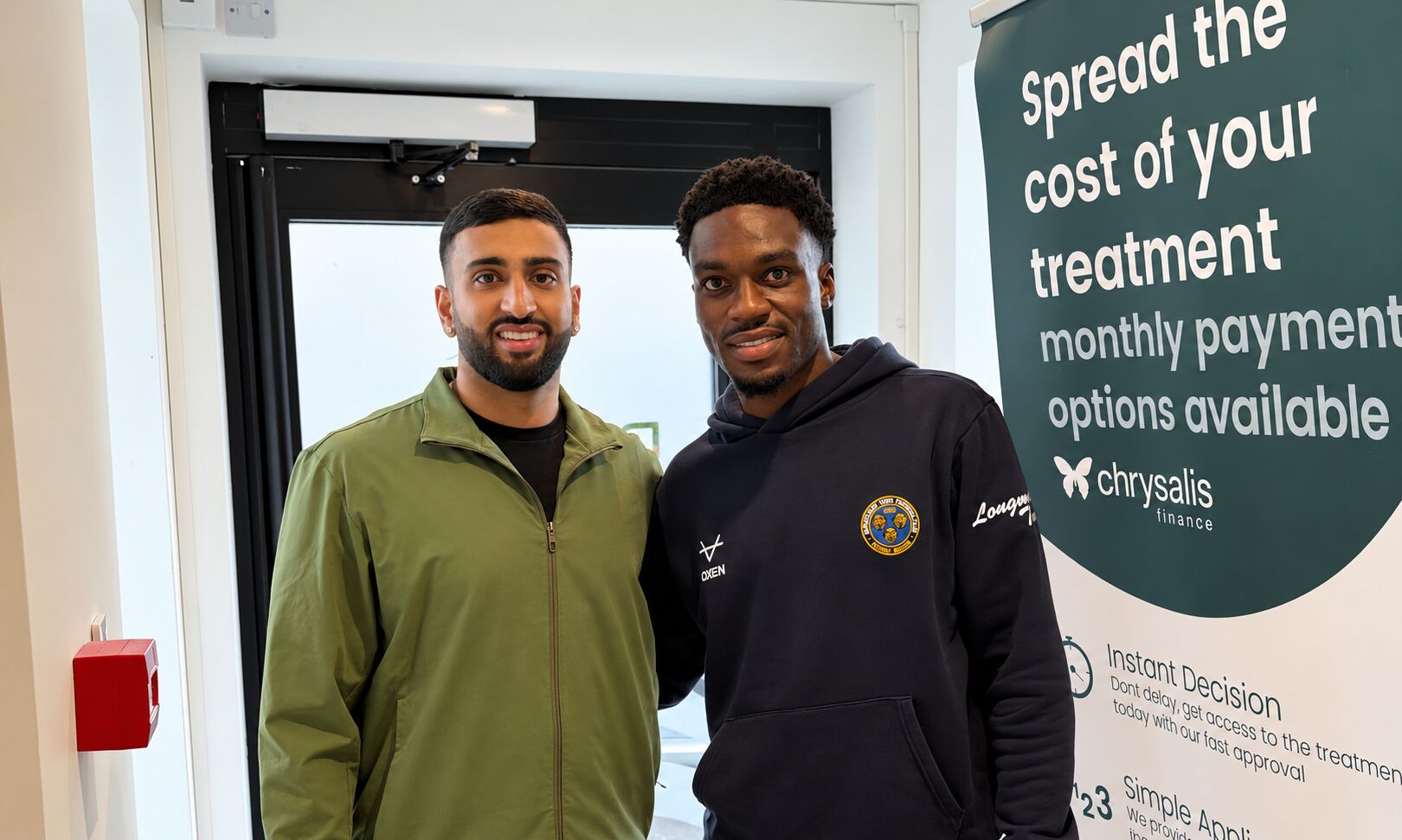
Colleagues who watch him work every week, and could go anywhere.
The questions patients actually ask about Cameron
If yours is not here, ask treatment coordinator Ellie when she rings, or call us. Nobody minds.
No, and he will not describe himself as either. Specialist is a protected title on the General Dental Council register and Cameron does not hold it. He is a cosmetic and restorative dentist with a postgraduate diploma in cosmetic and restorative dentistry, a diploma in minimally invasive dentistry, and certified Invisalign provider status. Where a case genuinely needs a specialist, he says so and refers.
A dental degree from the University of Birmingham, a postgraduate diploma in cosmetic and restorative dentistry, and a diploma in minimally invasive dentistry. He is a certified Invisalign provider and a clinical tutor on one of the UK’s most respected composite bonding courses. His GDC registration number is 318684 and you can check it on the General Dental Council register.
Yes, and it happens more often than you would expect. Plenty of people arrive asking for veneers when the thing bothering them is position rather than shape, and a short course of aligners with a small amount of bonding at the end is the better answer. He would rather do the smaller version well than the bigger version because it was asked for.
No. A large number of his patients have been avoiding this conversation for years, and he has heard every version of it. You will not be lectured about flossing and you will not be made to feel awkward about how long it has been.
He does not place them. He does restore them, which means he makes the crown or bridge that sits on top of an implant somebody else has placed. Where a case needs implants, he will tell you and point you in the right direction.
Yes, and most of his cosmetic patients do exactly that. Routine care stays wherever it already is, and you come to Cameron for the cosmetic work. There is no requirement to move practice and nobody will ask you to.
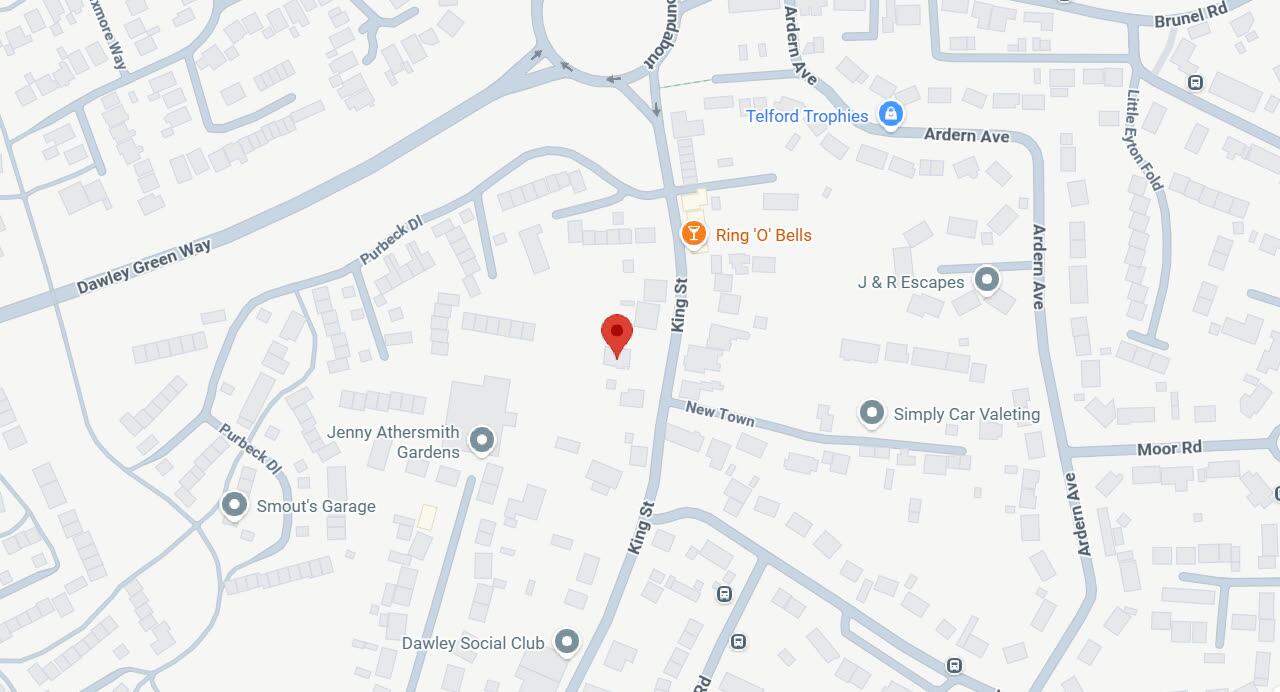
Start with a conversation, not a drill
Leave your number and treatment coordinator Ellie rings you back. Between you, you work out what you actually need, and nothing is booked until you want it to be.