
Composite bonding in Telford that still looks like you
Tooth-coloured composite, sculpted onto your own teeth by Dr Cameron Bagry, who was asked to be a clinical tutor on one of the UK’s most respected bonding courses. Usually one appointment, and usually less than you arrived expecting to need.
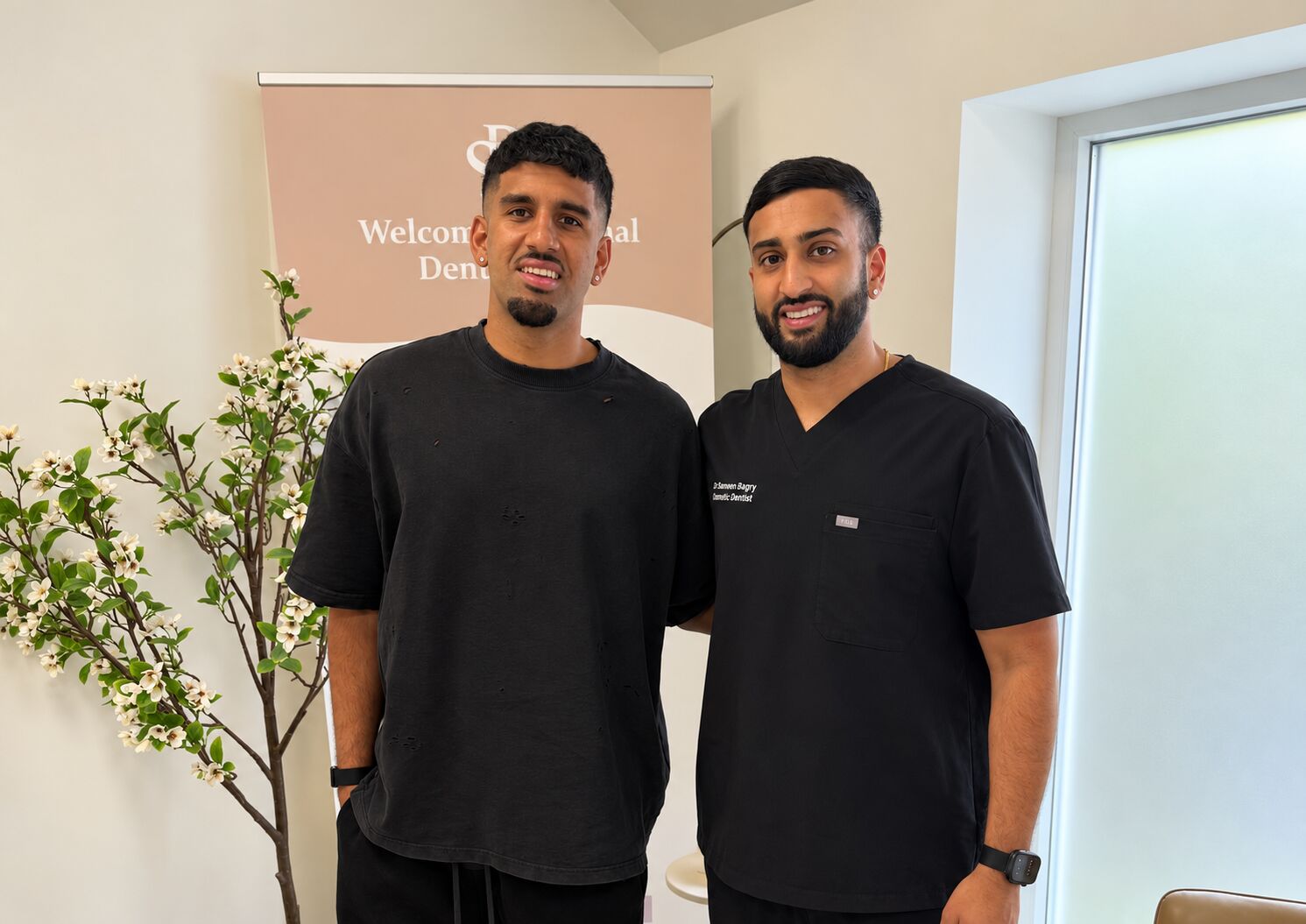

Stop hiding your teeth in photos
Most people who ask about bonding are not chasing a perfect smile. They are tired of one chipped edge that catches the light in every photograph, or a small gap they have been aware of since they were fifteen, or a front tooth that has quietly worn shorter than the one beside it. It is rarely the whole smile. It is usually one or two things that have been sitting at the back of your mind for years.
Composite bonding changes the shape of a tooth. It does not move teeth and it does not whiten them. What it does very well is put back what has worn away, close small spaces, and even up edges that never quite matched, using material added to the tooth rather than tooth taken away. For a lot of people that is the smallest change that gets them where they want to be, which is exactly why Cameron reaches for it before anything more permanent.




Those who chose Cameron for their composite bonding
Even colleagues who watch him work every week, and could go anywhere.
Composite bonding, explained
Scroll through, or tap a question to open it.
What composite bonding actually is
What it can change
When it is not the answer
Six reasons people choose bonding
Not the reasons a brochure gives. The reasons patients actually say out loud in the chair.
Nothing is removed to do it
Composite bonding is additive. Material goes on rather than enamel coming off, and enamel does not grow back.
It happens in one appointment
No temporaries, no laboratory wait, no second trip. You leave with it done.
You see the shape before you commit
A mock-up at the consultation shows you the idea on your own teeth before anything is bonded.
It can be adjusted, polished and repaired
If an edge chips it can usually be repaired rather than replaced, depending on the case.
It is the smallest change that works
Where bonding will do the job, Cameron will not recommend porcelain instead.
It costs less than porcelain
Per tooth, and without the laboratory fee. Every from-price sits on one page.
The bits nobody puts on the poster
Bonding is genuinely good, and it is not permanent. You should hear all of this before you book, not afterwards.
If you grind your teeth, that gets dealt with as part of the plan rather than ignored. There is more on teeth grinding and worn teeth, and a nightguard is usually part of protecting the work afterwards.
Request a consultationIt can chip. Nail biting, grinding and opening things with your teeth all make that more likely.
It can pick up staining over the years and lose a little of its surface polish. Coffee, tea and red wine are the usual culprits.
It has a lifespan. Published figures commonly sit around five to seven years before a refresh or replacement, and your bite and habits move that number in both directions.
It does not whiten. If you whiten your natural teeth later, the bonding stays the shade it was made.
It does not move teeth. It changes how a tooth is shaped, not where it sits.
It is not right for every bite. That is a clinical judgement and it comes from the assessment, not from a photograph.
Four steps, and a mock-up before anything is permanent
There is no online diary here on purpose. You leave your number, our treatment coordinator Ellie rings you back, and the appointment gets shaped around what you actually need.
Request a consultation
Ask for a callback
Just fill in our simple form. Name, number, email. No card details and no medical history.

Ellie calls you back
She is a qualified dental nurse and she has had treatment with Cameron herself. She works out which appointment fits.
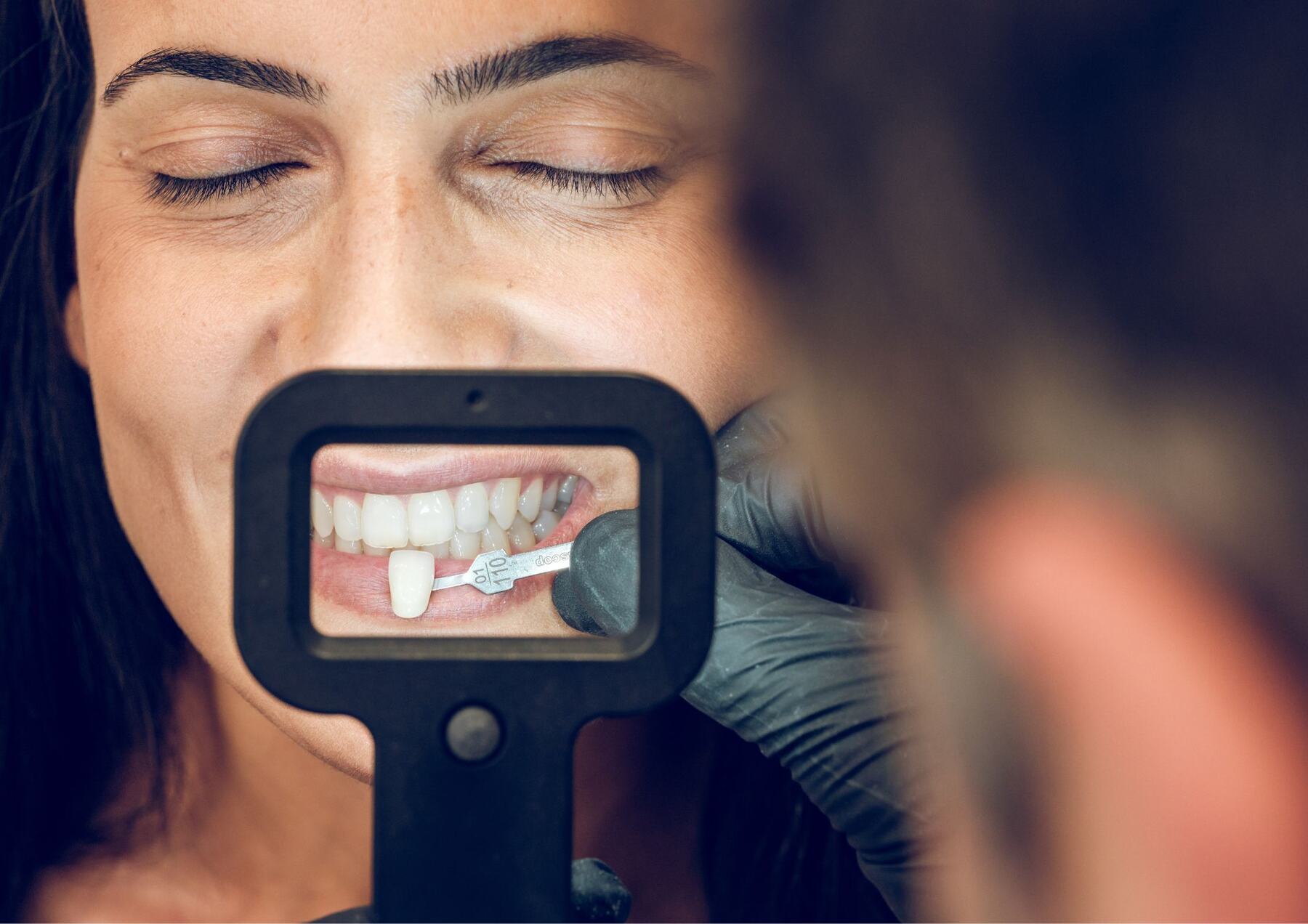
A mock-up, then a plan
At the cosmetic consultation you get a bonding mock-up so you can see the idea on your own teeth. If you go on to the clinical assessment, Cameron plans the case himself.

One appointment, then aftercare
Most cases are completed in a single visit, and you go home knowing exactly how to look after it.
What composite bonding costs in Telford
Prices depend on how many teeth are being treated and which technique the case calls for, and a fixed figure follows the clinical assessment rather than a guess from a photograph. Every from-price sits on one page so you can look before you ring, and finance is available through Chrysalis. Both consultation fees come off your treatment.
Whiten first, and straighten before that if you need to
The order matters more than most people realise, and getting it wrong is expensive. Composite does not lighten with whitening, so if you bond first and whiten later, your natural teeth move and the bonding does not. The shade gets settled first, always.
The same logic applies further back. If your teeth are crowded or rotated, straightening them first means the bonding at the end is smaller, cheaper and far less invasive, because nothing has to be added to disguise where a tooth is sitting. Cameron provides the alignment and the restorative work, so there is no commercial reason for him to steer you either way. Straight, then shade, then shape.
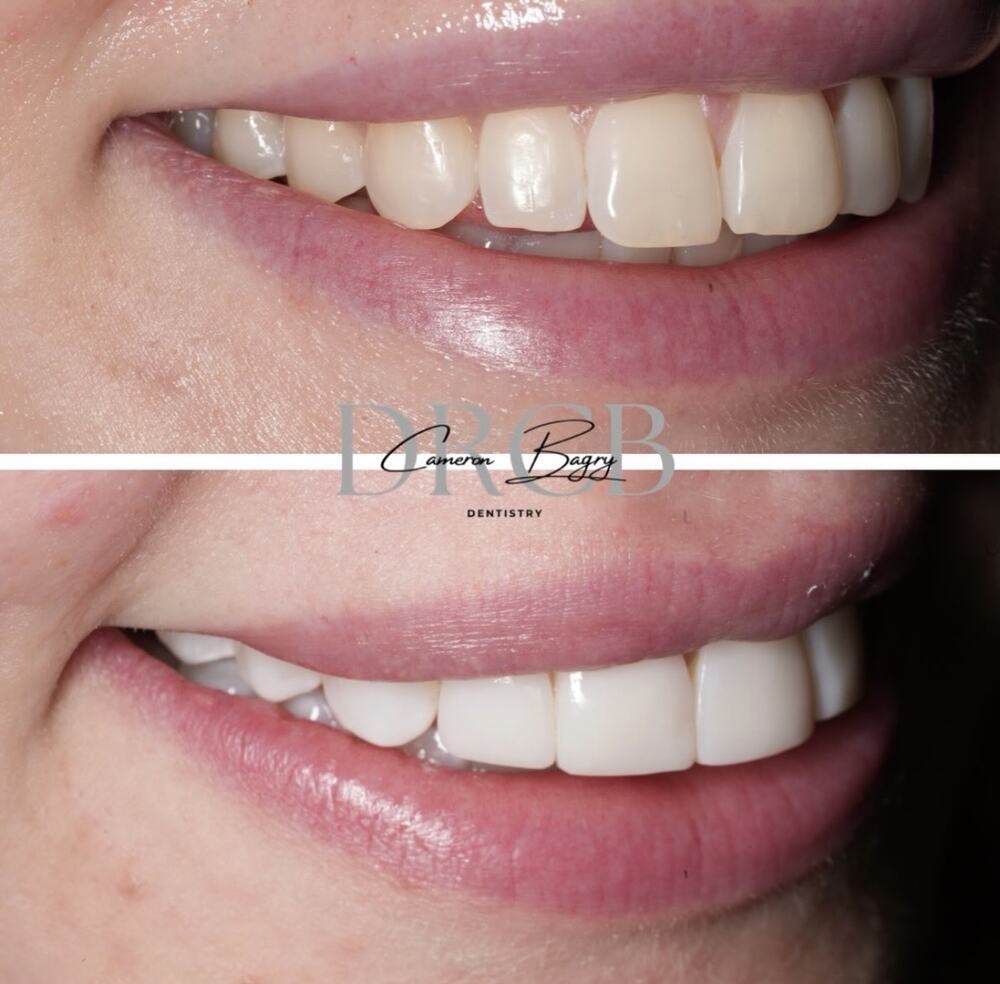
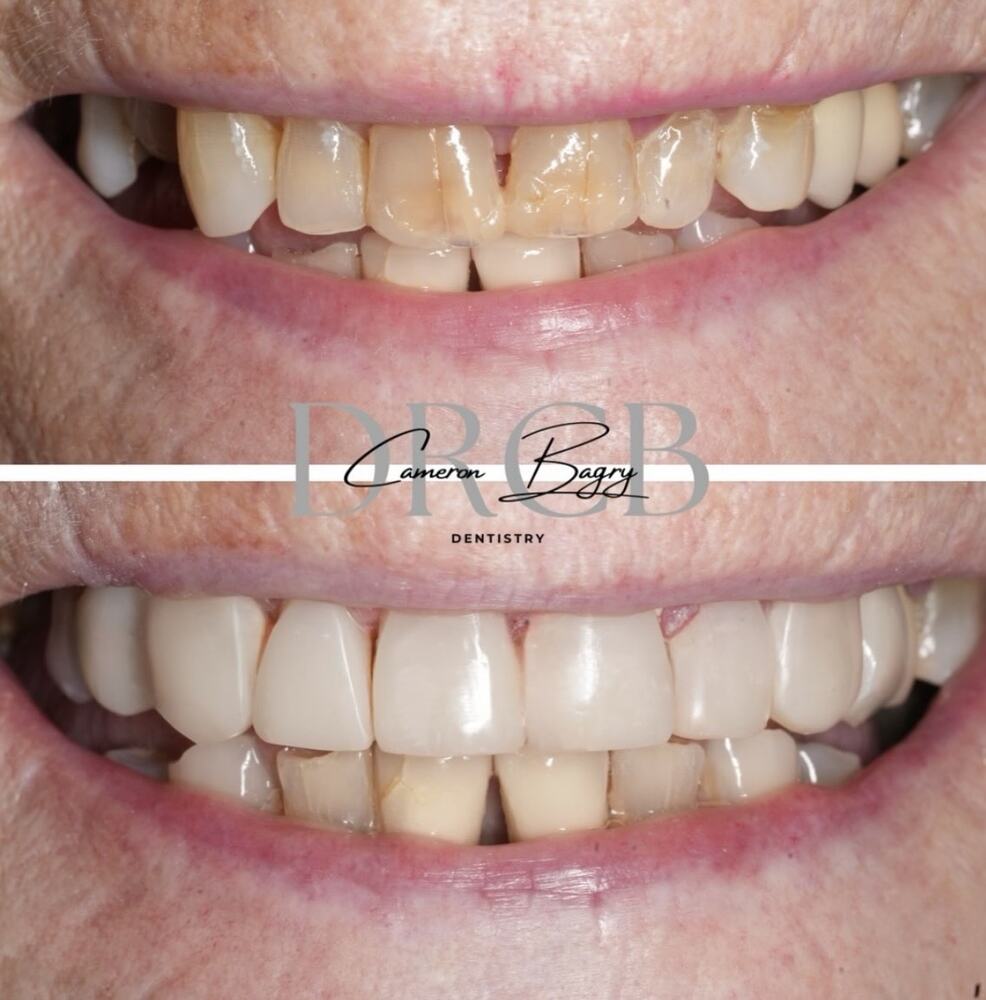
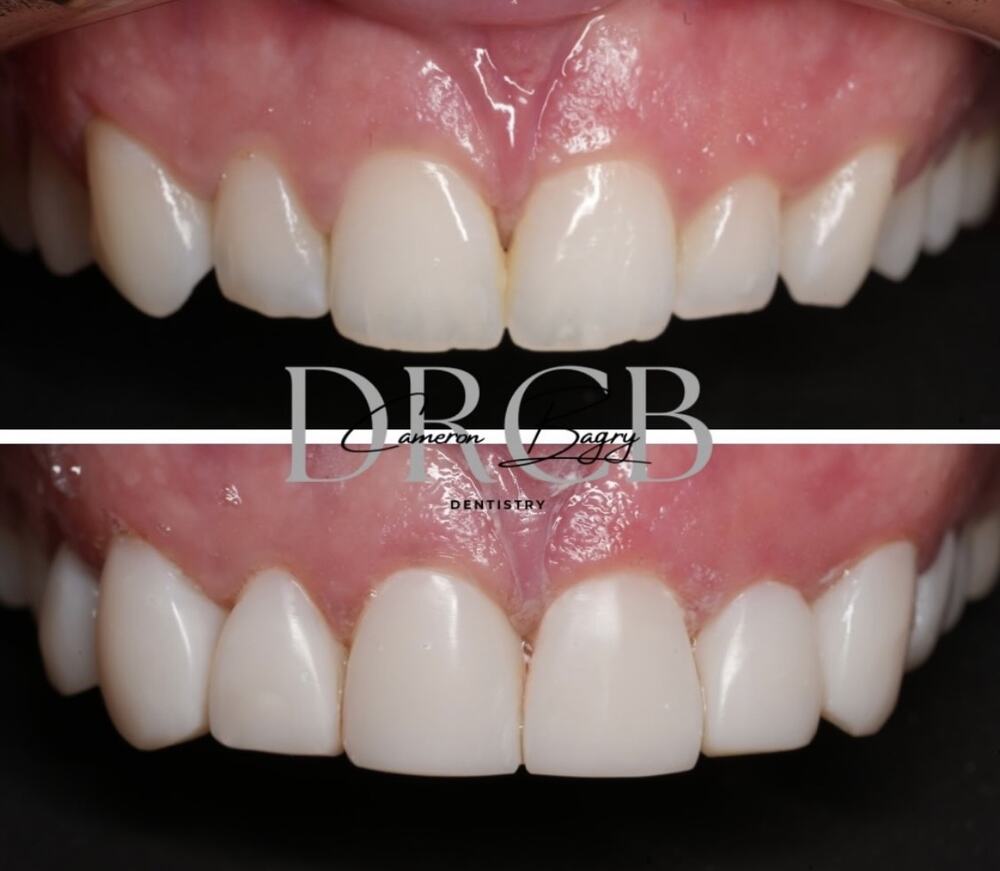
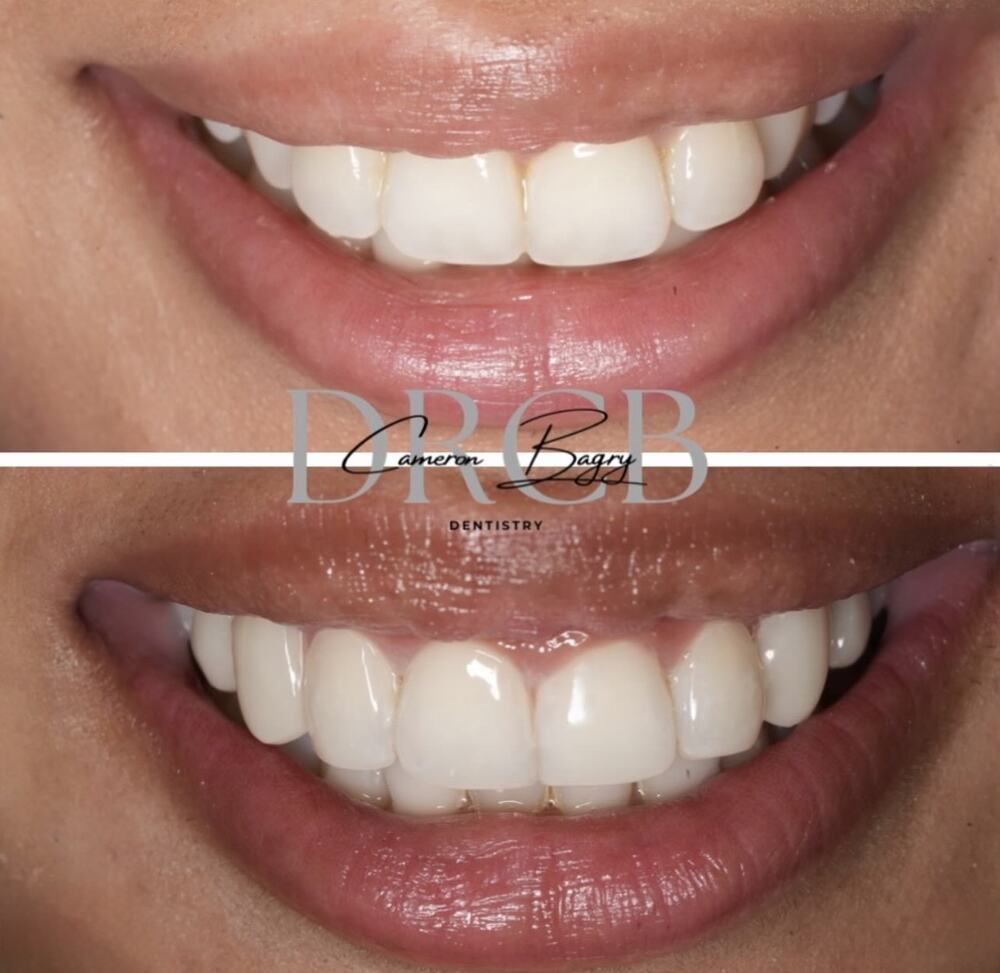
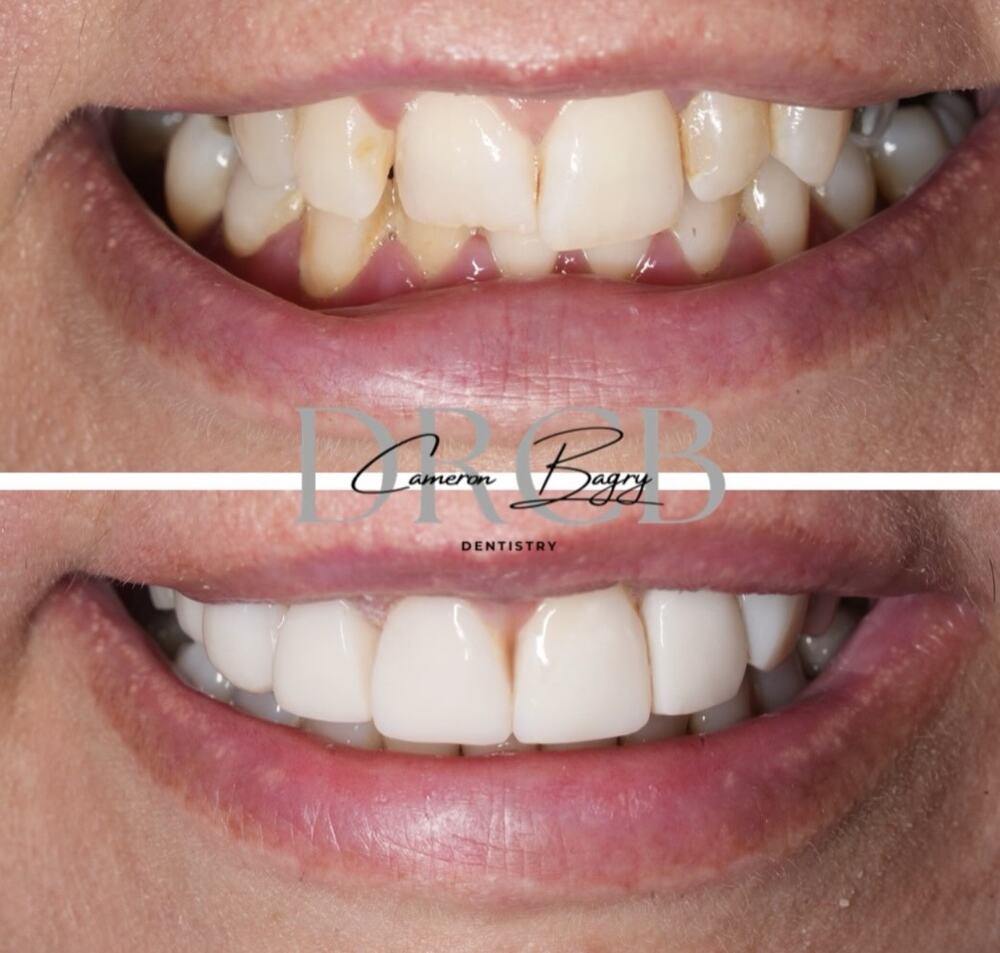
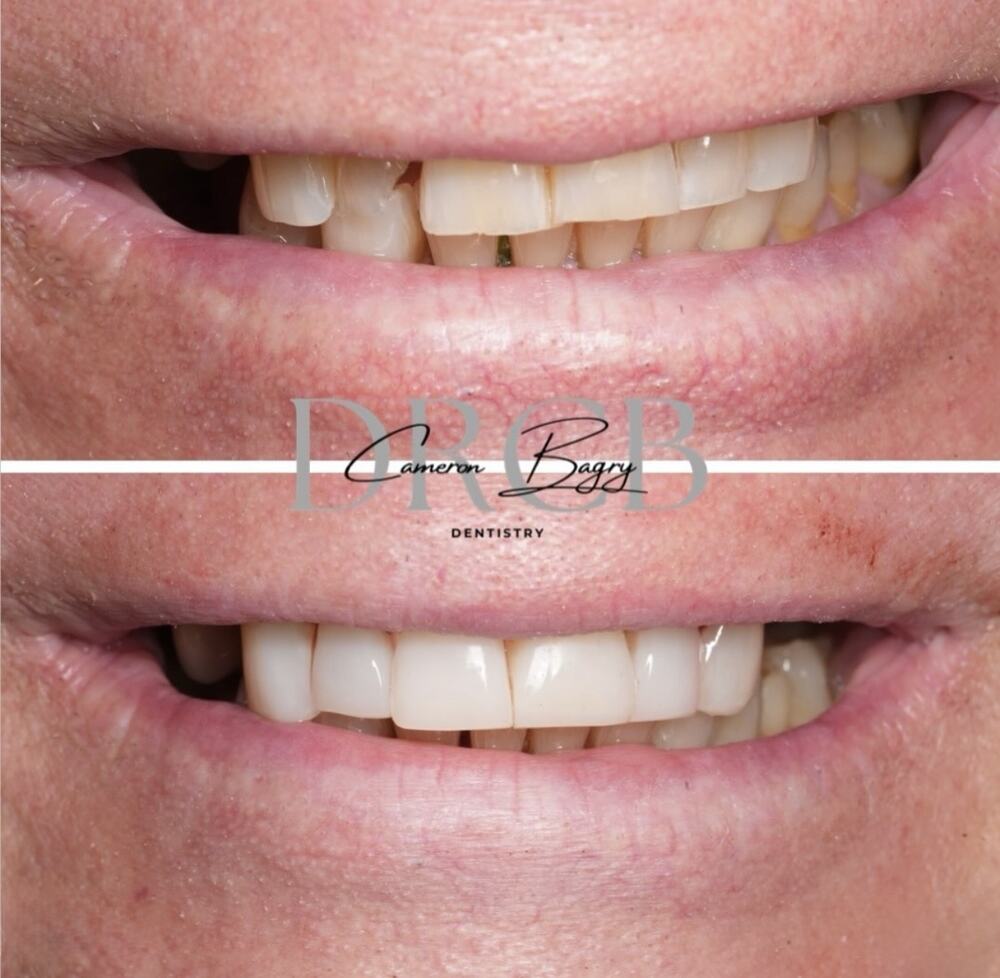
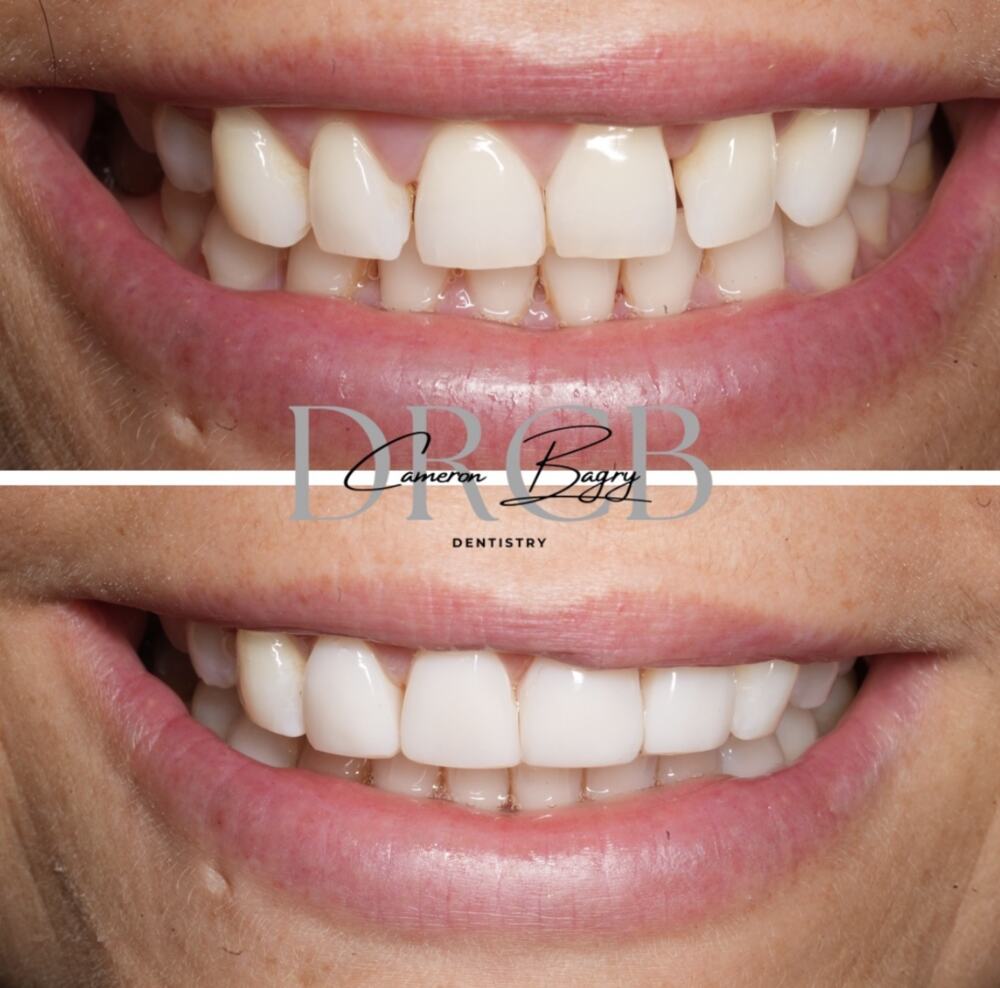
Composite bonding before and afters
Every one of these patients started exactly where you are now. Bonding only, and all Cameron’s own work.
See the full gallery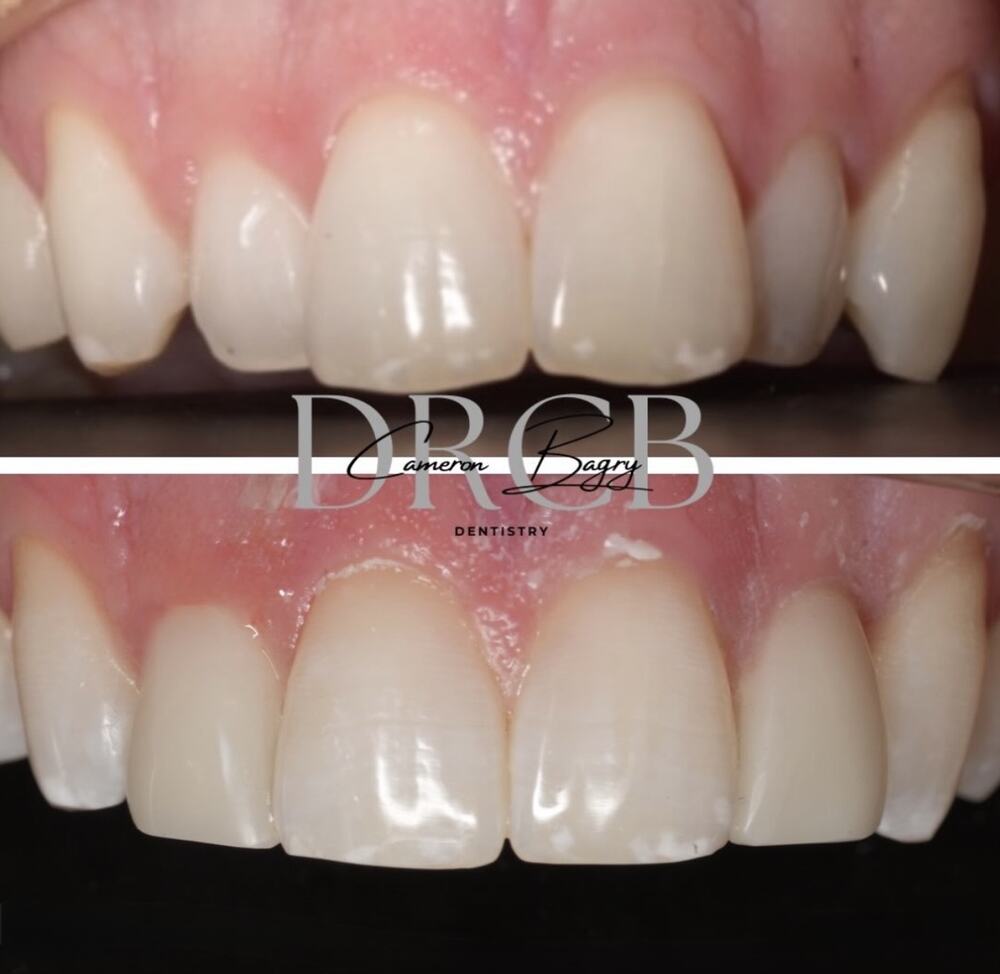


Meet your cosmetic dentist, Dr Cameron Bagry
Cameron is a cosmetic and restorative dentist in Telford. He holds a postgraduate diploma in cosmetic and restorative dentistry and a diploma in minimally invasive dentistry, and Totally Composite, one of the UK’s most respected bonding courses, asked him to be a clinical tutor teaching the technique to other dentists.
He shapes every case himself, and seven of the nurses at his own practice have chosen to be treated by him, which is the review he is proudest of. He will also tell you when a smaller plan, or no treatment at all, is the better answer.
The questions patients actually ask us about composite bonding
If your question is not here, ask treatment coordinator Ellie when she rings. Nobody minds.
There is no guaranteed lifespan, and anyone who gives you one is guessing. Published figures commonly sit around five to seven years before a refresh or replacement. What moves that number is your bite, whether you grind, what you eat and drink, and how well you keep it clean. Patients who wear a nightguard where one has been recommended tend to get longer out of it.
Composite can gradually pick up surface staining and lose a little of its polish over the years. It is not as stain-resistant as porcelain. A polish at a routine appointment usually lifts most of it, and cutting back on the things that stain natural teeth helps here too.
It can, particularly if you bite your nails, grind your teeth, or use your teeth to open things. Small chips can often be repaired rather than replaced, though Cameron would need to look at it before promising that. If grinding is what is doing the damage, that gets treated as part of the plan rather than left to keep happening.
Bonding is usually conservative because it is additive, meaning material goes onto the tooth rather than enamel coming off it. Whether any preparation is needed at all depends on your particular case, and Cameron will explain exactly what he proposes before anything starts.
Whitening lightens natural teeth but does not lighten composite, so whitening after bonding leaves the bonding looking darker than everything around it. That is why the shade is settled first. If you are thinking about teeth whitening at some point, say so at the consultation and the order gets planned around it.
That depends on your smile line, the shape and shade of your teeth, their proportions and your bite, and it is a clinical decision rather than a package. Some people need two teeth evened up. Some need six or eight to look balanced. Cameron will explain what he recommends and why, and he will take what you want into account.
It is generally considered more conservative than porcelain, but reversible is a stronger word than the treatment deserves. Removing composite can take some tooth surface with it, so it is best approached as a decision rather than an experiment.
Not for cosmetic reasons. The NHS funds treatment that is clinically necessary, and improving the shape or appearance of a healthy tooth falls outside that. All of Cameron’s cosmetic work is private.
The aim is that nobody can tell, which is why the layered technique exists. Rather than one flat shade, the tooth is built up in layers to match the translucency and character of the teeth around it. You can judge that better than we can describe it, so have a look through the before and afters.
Start with a conversation, not a drill
Leave your number and treatment coordinator Ellie rings you back. Between you, you work out what you actually need, and nothing is booked until you want it to be.