

People ask about this constantly, so it is worth answering properly rather than pretending nobody wonders. The questions below apply to any practice, including one down the road. They just matter more when the clinic is two thousand miles away.
The phrase itself is misleading
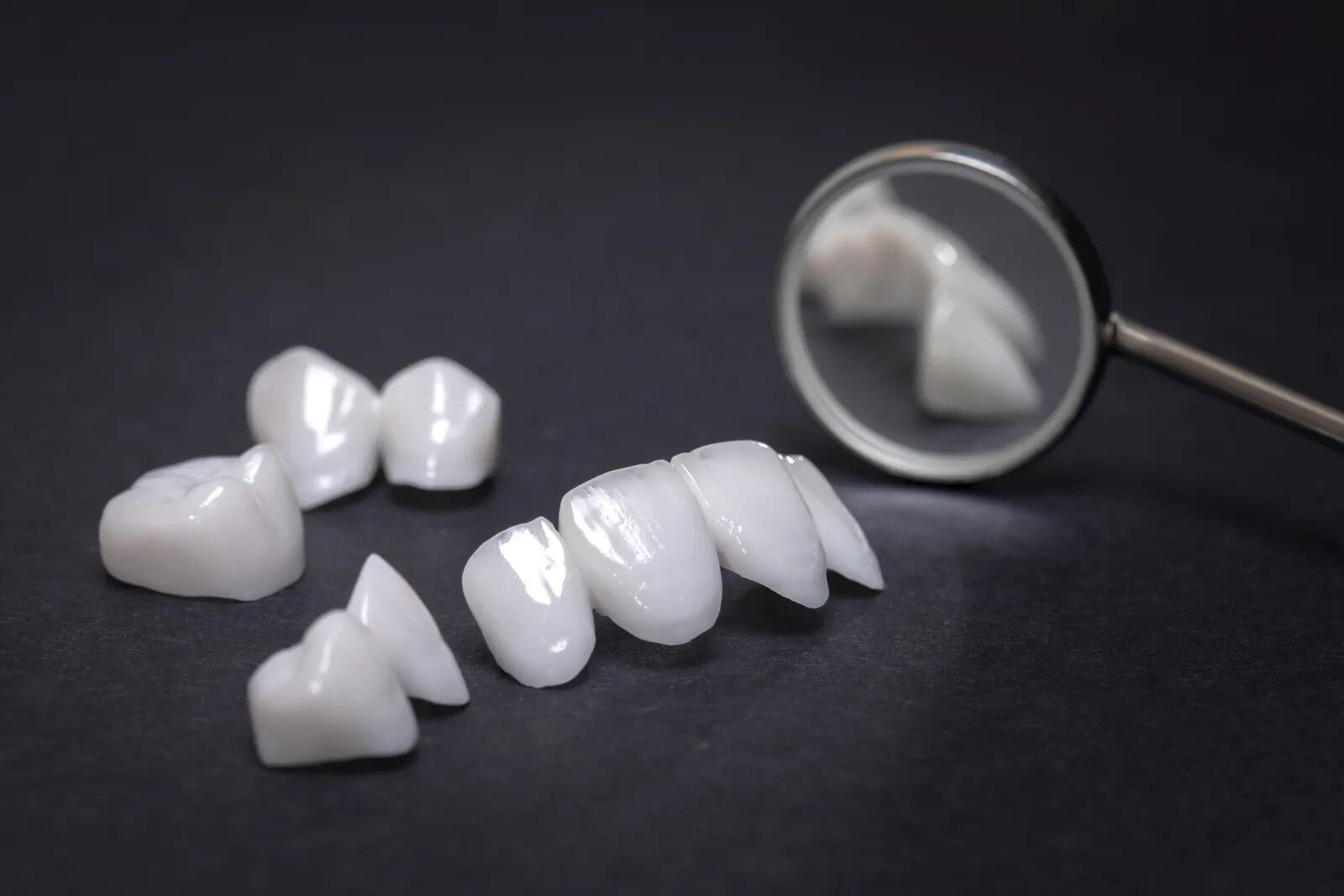
The images that made Turkey teeth a phrase are usually not veneers. They are crowns. A veneer covers the front of a tooth and, planned conservatively, removes little or no enamel. A crown covers the whole tooth and requires it to be reduced substantially on every surface first, which is what produces those photographs of small pointed stumps.
Crowns are a legitimate treatment when a tooth is broken down enough to need one. Using them on healthy teeth to change how a smile looks is a different proposition, because reducing a healthy tooth that much carries a recognised risk of irritating or killing the nerve, which then needs root canal treatment. If a crown later fails, there may not be enough tooth left underneath to restore it.
The regulation does not travel with you
This is the part most people have not thought about, and it is the one that bites hardest if something goes wrong.
- In the UK, only people registered with the General Dental Council may legally practise dentistry, and you can check any dentist on the public register before you go near a chair. Cameron’s number is 318684.
- Every GDC registrant must hold indemnity or insurance cover. It is a professional requirement, not an optional extra.
- Dental practices in England are registered with and inspected by the Care Quality Commission.
- None of that applies abroad. The GDC cannot investigate a dentist who is not on its register, and your UK complaint and indemnity routes do not follow you.
Türkiye does require providers treating international patients to hold an International Health Tourism Authorisation Certificate from its Ministry of Health, so if you are going, that is a reasonable thing to ask to see. It is also worth checking what protection, if any, your method of payment gives you.
The statistic everybody quotes
You will have seen the figure that 86 per cent of UK dentists have treated complications from work done abroad. It comes from a 2022 British Dental Association survey, and it is almost always presented as a failure rate. It is not. It asked self-selecting BDA members whether they had ever seen a single such case in their career, and most had. It tells you the experience is widespread among dentists. It tells you nothing about your own odds.
What the same survey says more usefully is that nearly two thirds of those dentists had patients facing remedial bills of at least £500, with some running past £5,000. That is the number worth holding on to, because it is the one that decides whether the saving was ever real.
The aftercare gap
This is the practical problem rather than the dramatic one. Cosmetic work needs adjusting, reviewing and occasionally repairing. If a veneer debonds eighteen months later, the question is who deals with it. Flying back is expensive and slow, and a UK dentist asked to repair somebody else’s work is starting without the records, the design, the shade information or the laboratory, which makes matching it considerably harder.
Questions worth asking, anywhere
- Am I being offered veneers or crowns? Get the answer in writing, not in conversation.
- How much tooth will be removed, and will the preparation stay within enamel?
- Why is that necessary for my teeth specifically, rather than in general?
- Have alternatives been discussed, including straightening or whitening first?
- Who is carrying out the treatment, and what are their qualifications?
- How many appointments, over how many days? Irreversible work compressed into a long weekend leaves no room to change your mind.
- What is the warranty, and what does it actually cover?
- If something fails in two years, who fixes it and at whose cost?
- Who provides my aftercare and adjustments once I am home?
The British Dental Association’s own position is not that nobody should go abroad. It is that irreversible treatment should never be a rushed decision, that hard-sell tactics are a warning sign, and that you should know who is looking after you when you get back.
If you have already been, and you are not happy
Come and have it looked at, with no commitment to anything. Some overseas work needs nothing more than maintaining. Some of it needs attention. Either way you will get an honest assessment rather than a lecture, because being told you made a mistake is not information anybody can use.
If any of this applies to you, the next step is a conversation rather than a decision. Treatment coordinator Ellie takes the first call and she is not going to push you towards anything.