

A large number of people arrive asking about veneers when the thing genuinely bothering them is where their teeth are sitting rather than what shape they are. It is an understandable mistake, because veneers are what the internet shows you and aligners are not marketed as cosmetic dentistry.
What happens if you skip it
Picture a front tooth sitting slightly forward of the one beside it. To make those two look level with porcelain, the tooth that is behind has to be built forwards, and the tooth that is in front has to be reduced backwards. So one tooth gets bulkier and the other loses enamel it did not need to lose, purely to disguise a position problem.
Now move that tooth into line first. Both teeth are where they should be, so the porcelain or composite that follows only has to correct shape and shade. It can be thinner, less has to come off, and in a proportion of cases nothing further is needed at all.
The three-step order
Straight, then shade, then shape. It sounds glib and it is genuinely how Cameron plans almost every case.
Straighten first, because a tooth in the right place needs far less added to it. Cameron uses Invisalign Go, which treats mild to moderate crowding, spacing and rotation, and where a case is beyond that he will tell you it needs a specialist orthodontist rather than trying to squeeze it into aligners.
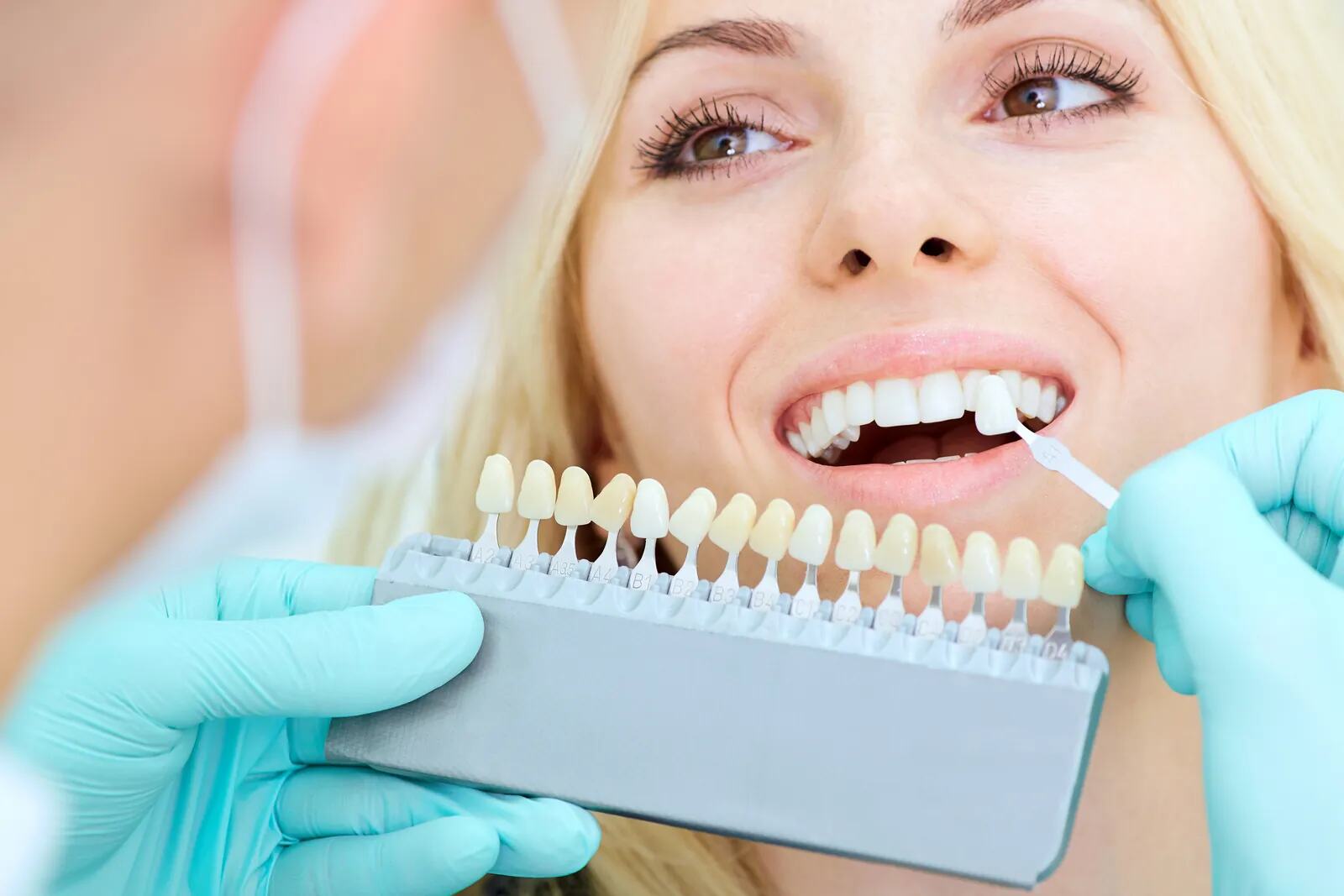
Settle the shade next, because whitening lightens natural teeth and does not lighten composite or porcelain. Once the new work is made, your shade is fixed at whatever it was on the day.
Shape last, and by then it is usually a smaller job than the one you asked about.
What it costs you to do it properly
Time, mostly. Alignment takes months rather than weeks, and that is the genuine downside. If you have a wedding in nine weeks, this order may not be available to you, and Cameron would rather say so than rush your care to hit a date.
What it saves is enamel, money and future problems. A smaller restorative case is cheaper, less invasive and more likely to last. The alignment itself also brings practical benefits that have nothing to do with appearance: straighter teeth are easier to clean, edges stop catching and chipping against each other, and the bite shares its load more evenly.
Why you may not have been offered this
Sometimes because the practice does not provide alignment, and the restorative work does not require them to send you elsewhere. That is not necessarily bad faith, but it is worth knowing the incentive exists. Cameron provides both the alignment and the restorative work, which means there is no commercial reason to steer you either way, and it is why he can be relaxed about telling you the smaller plan is the better one.
If any of this applies to you, the next step is a conversation rather than a decision. Treatment coordinator Ellie takes the first call and she is not going to push you towards anything.